Go thedistance.
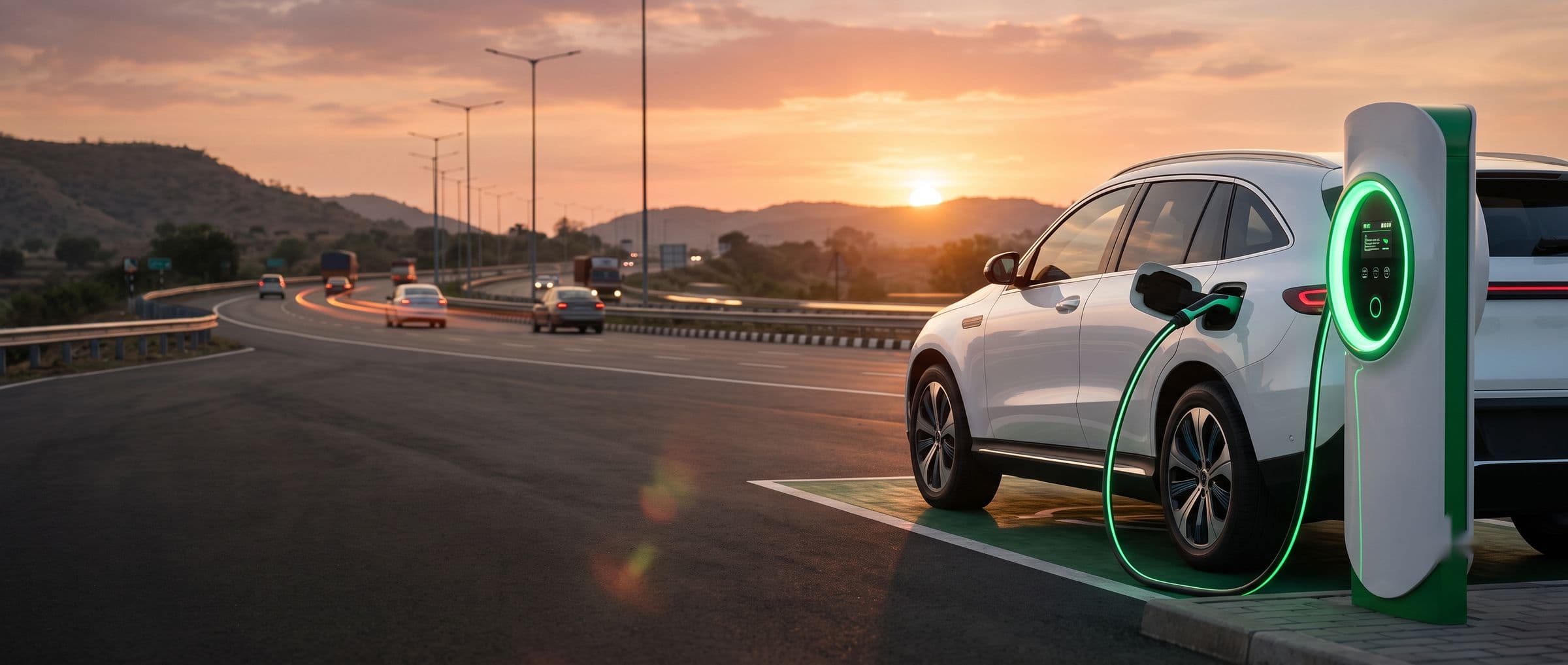
Fast charging along India’s busiest corridors, planned into your route.
Ways to charge, one app
Helpline for drivers
National target spacing for highway chargers (MoP, 2024)
Tree planted per charger installed
Our services
Charging for every journey
Keep scrolling →Swipe →
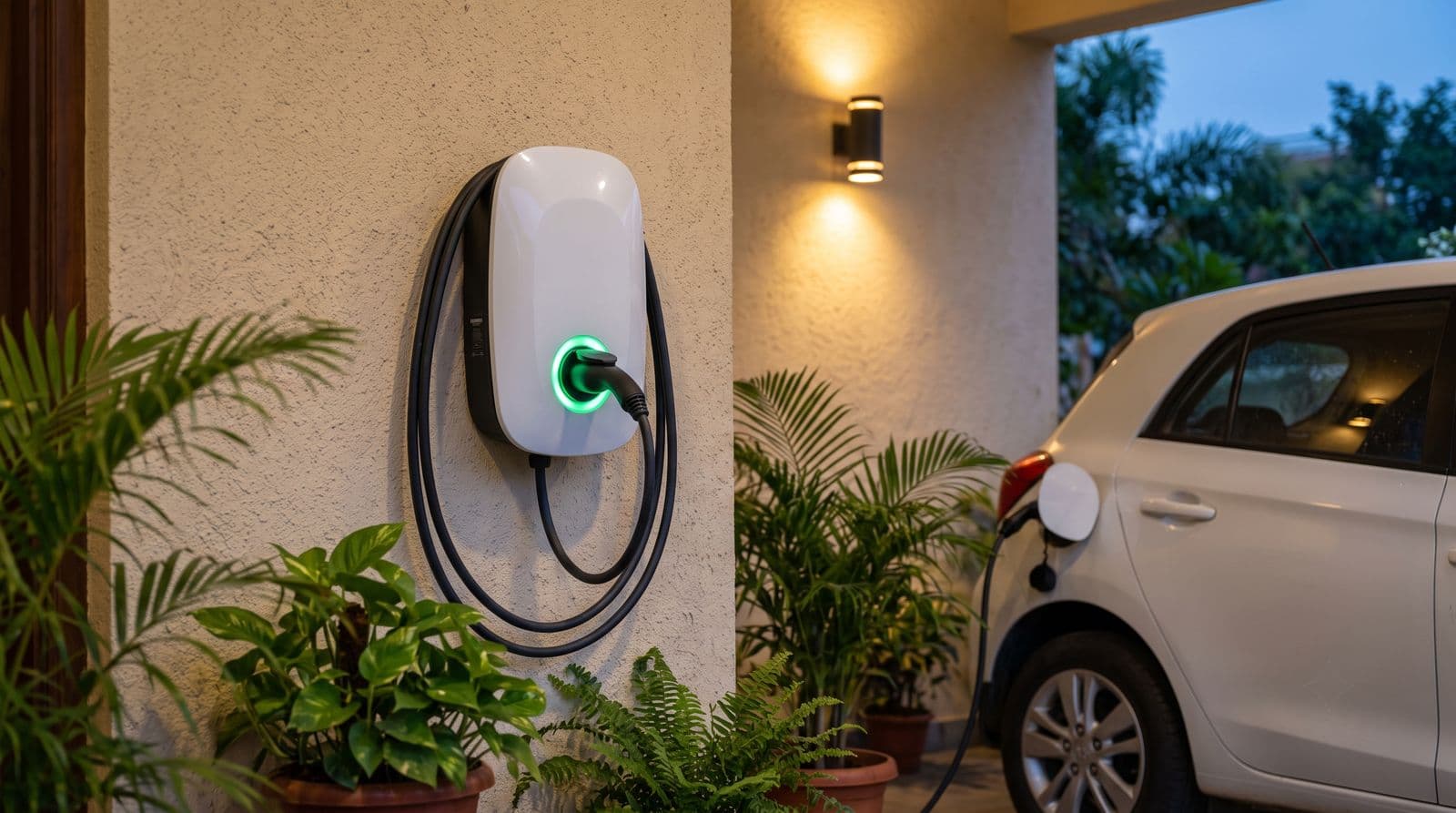
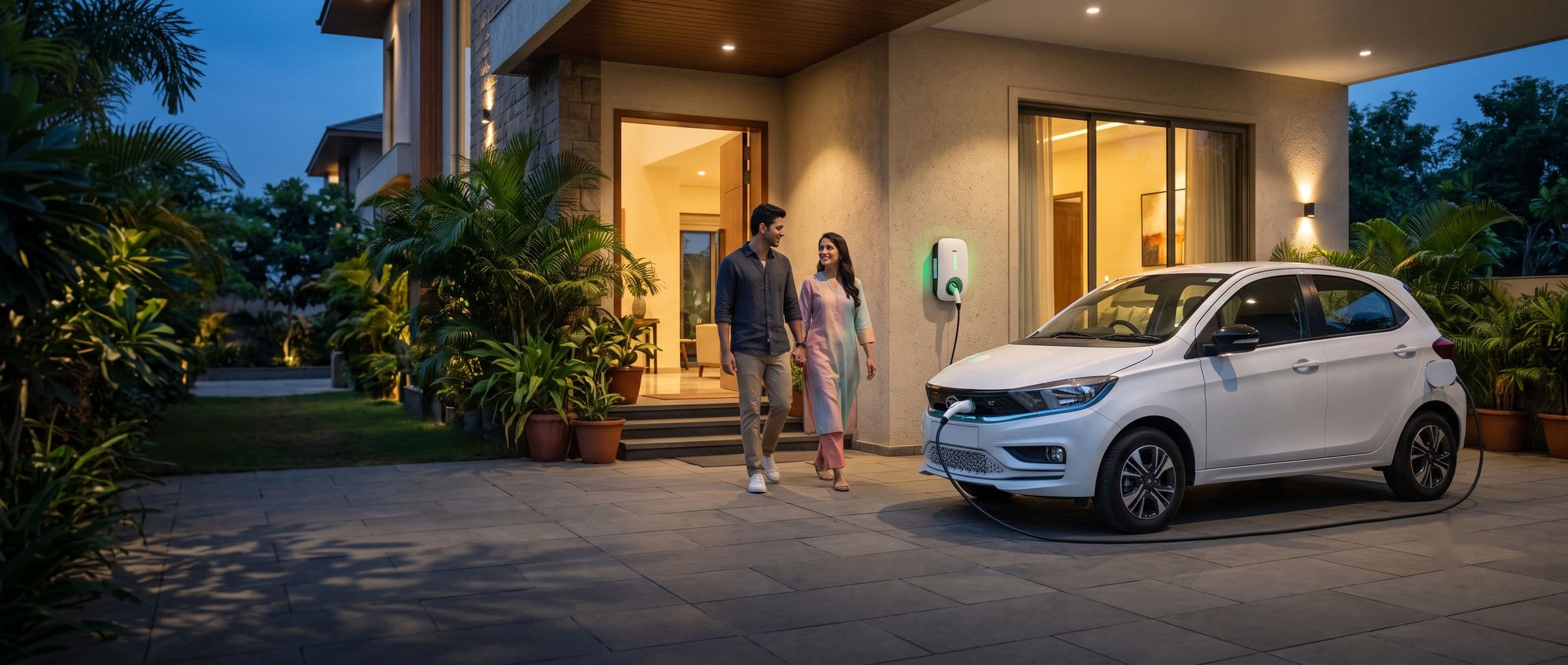
Charge while you sleep. Smart home chargers with site survey, certified installation and app control.
Explore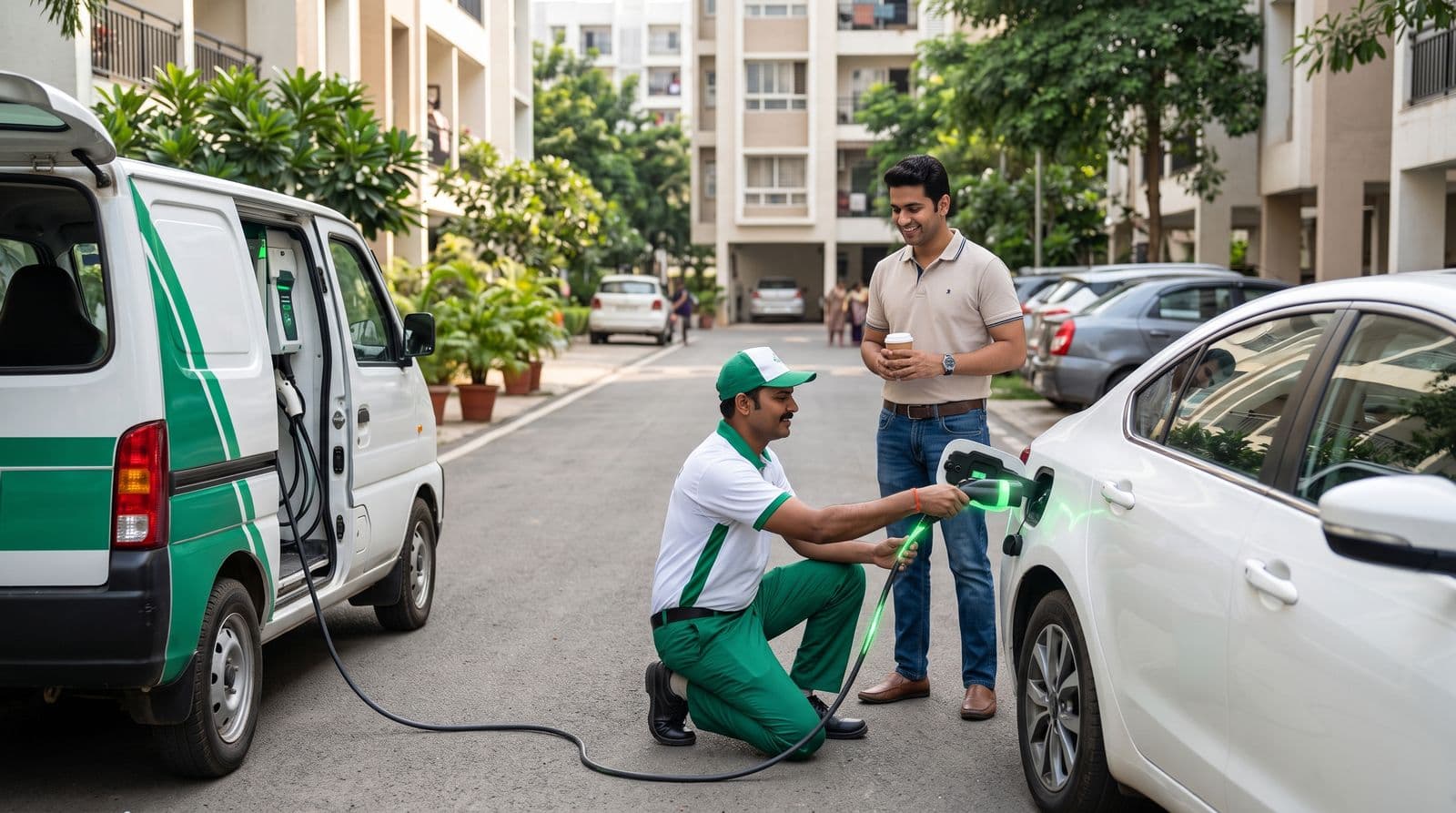
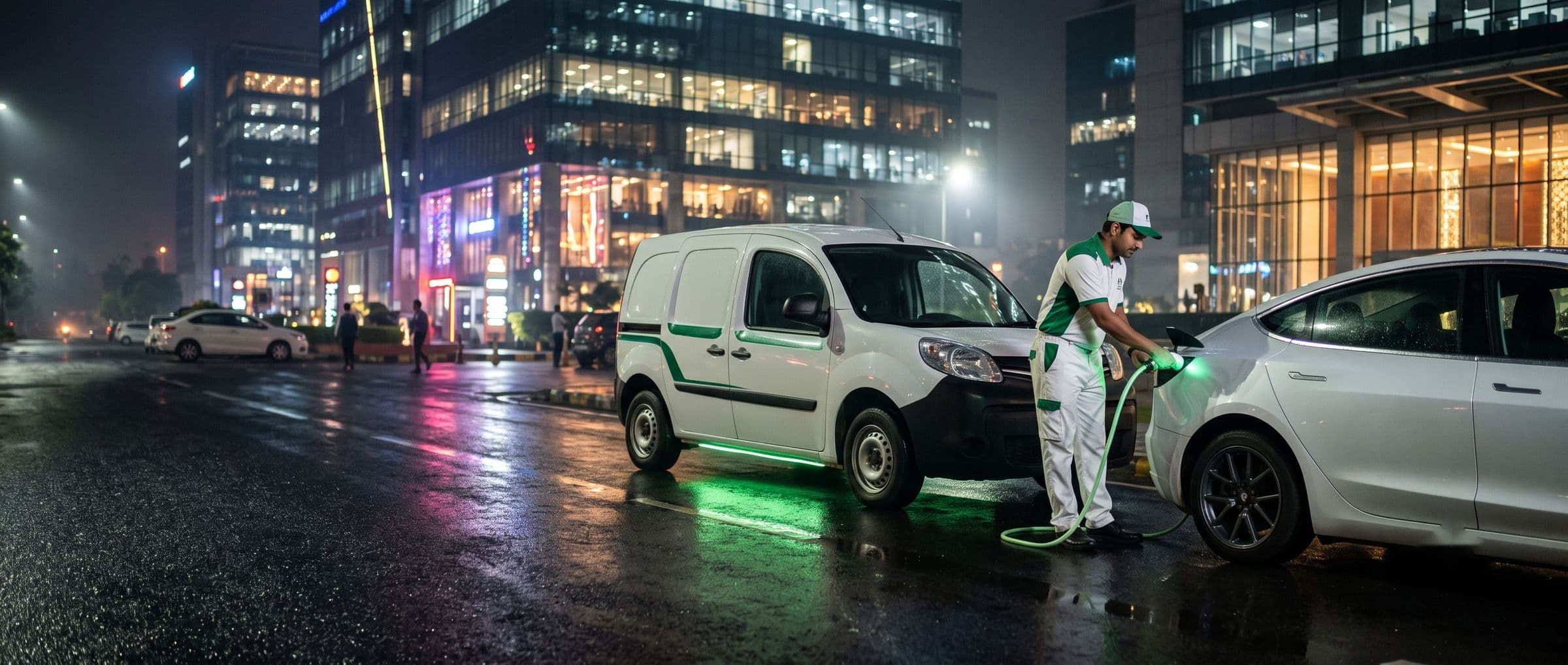
Concierge charging. A mobile fast charger comes to wherever your EV is parked.
Explore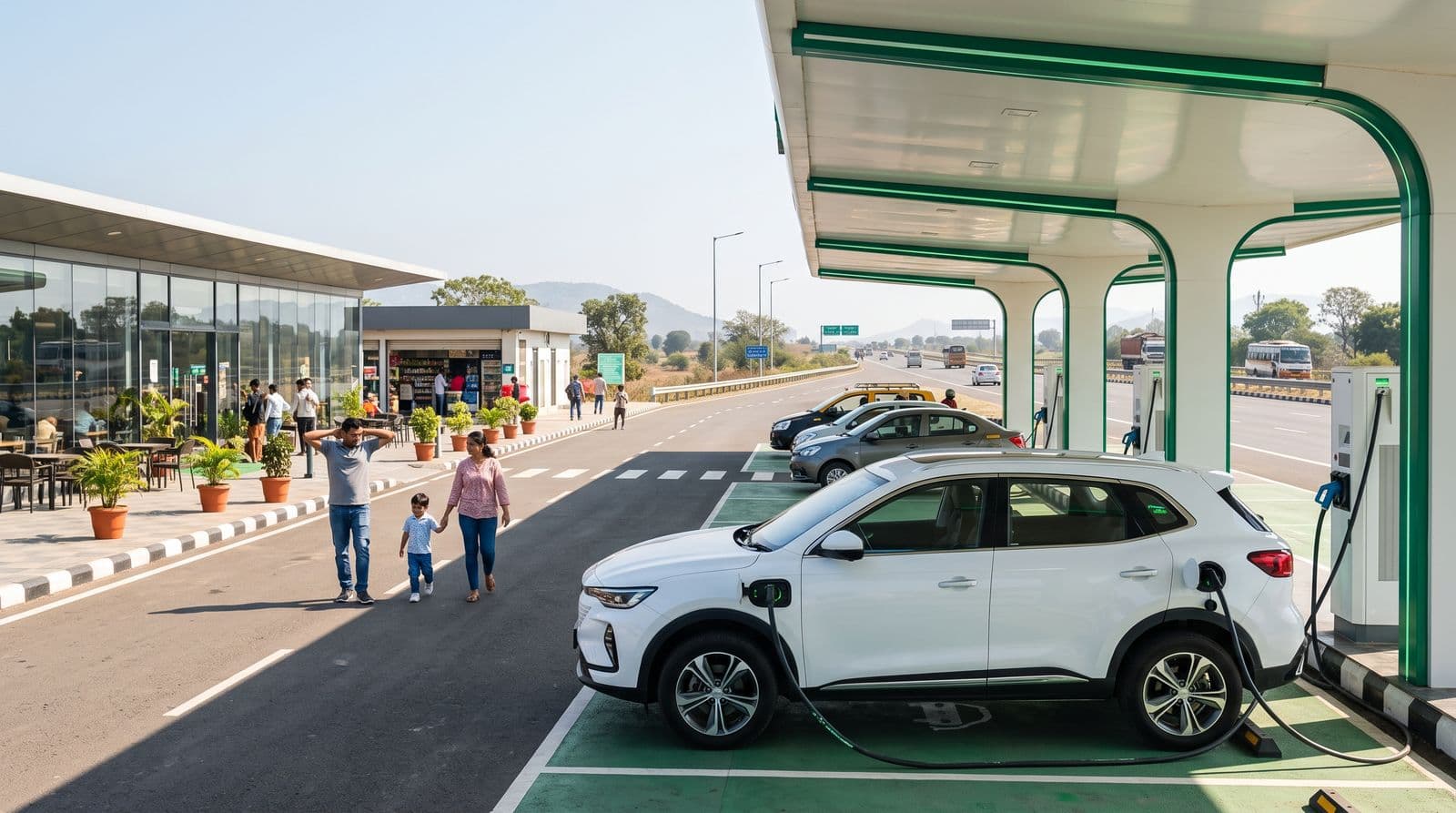
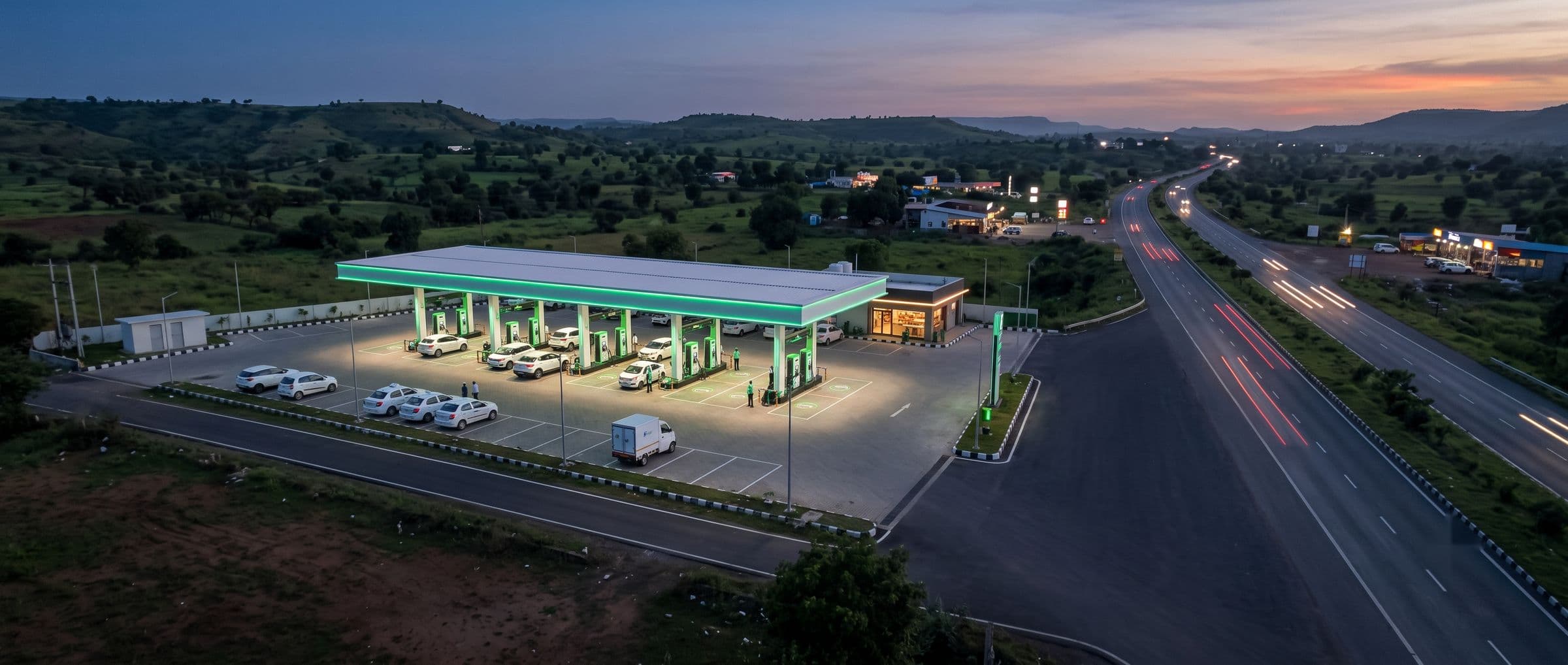
Charge on the go. Fast chargers and route planning for intercity trips.
Explore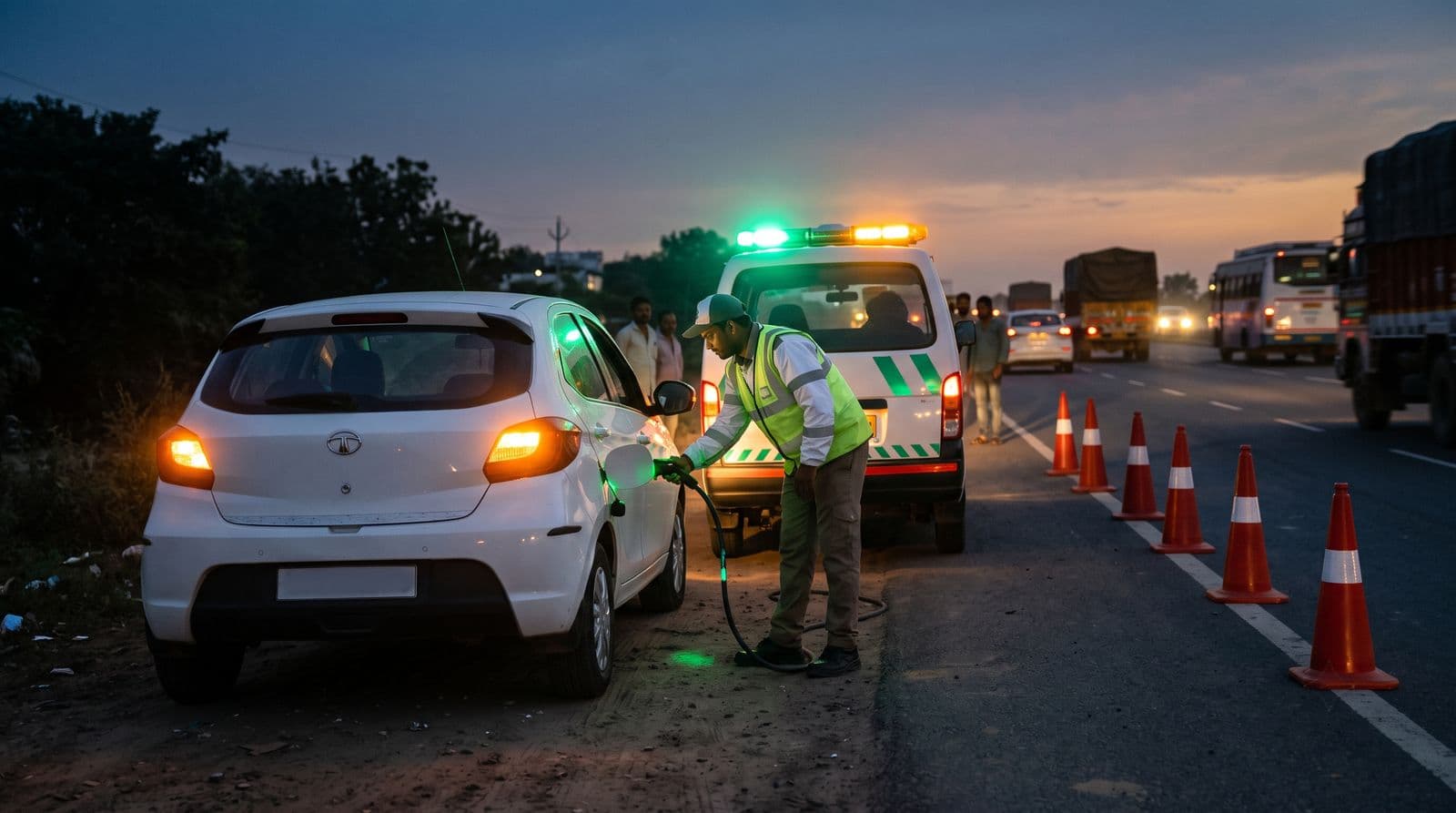
Quick, on-demand charge when the battery is too low to reach a station.
Explore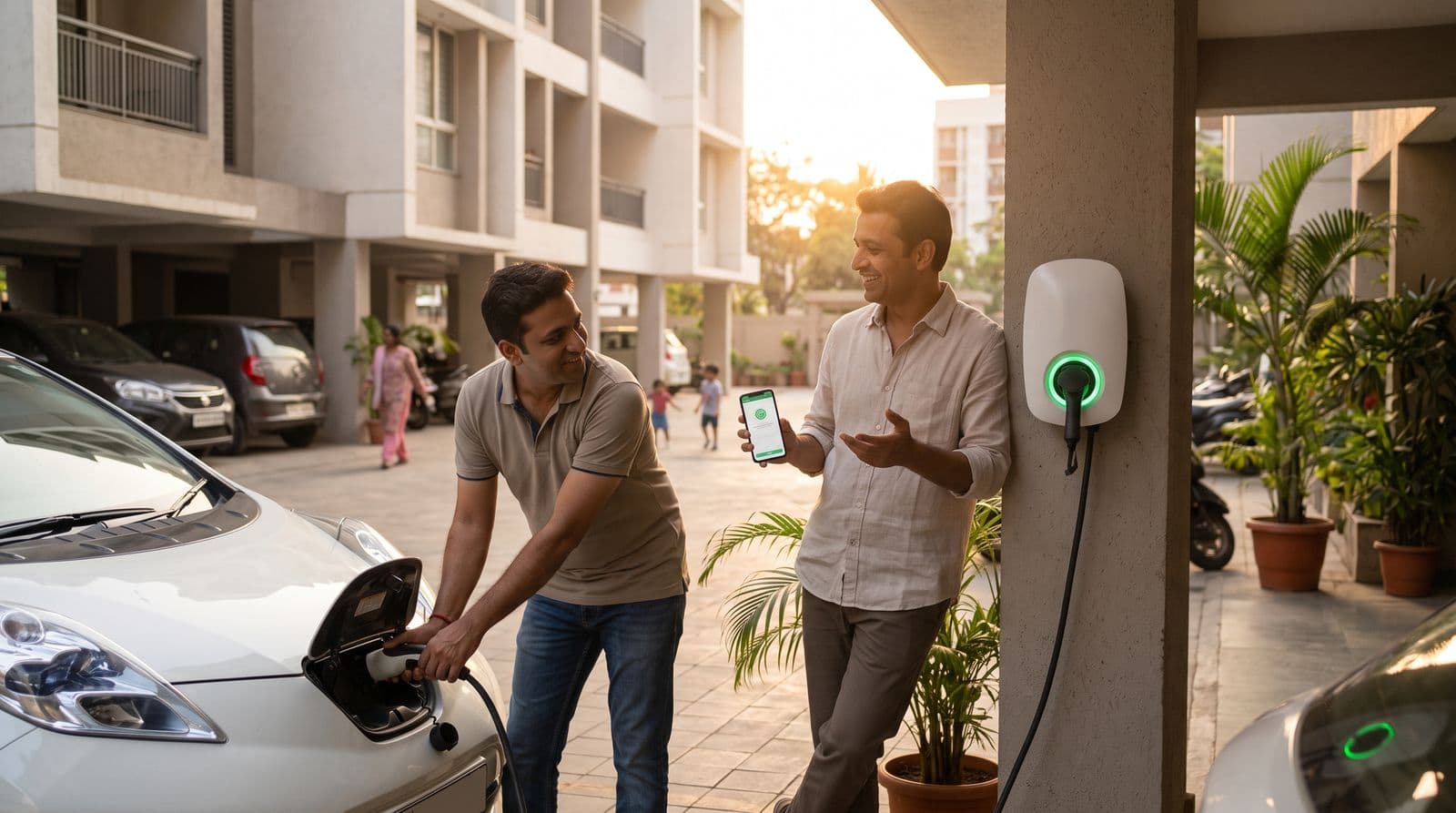
Share your charger with your community and earn from every booking.
Explore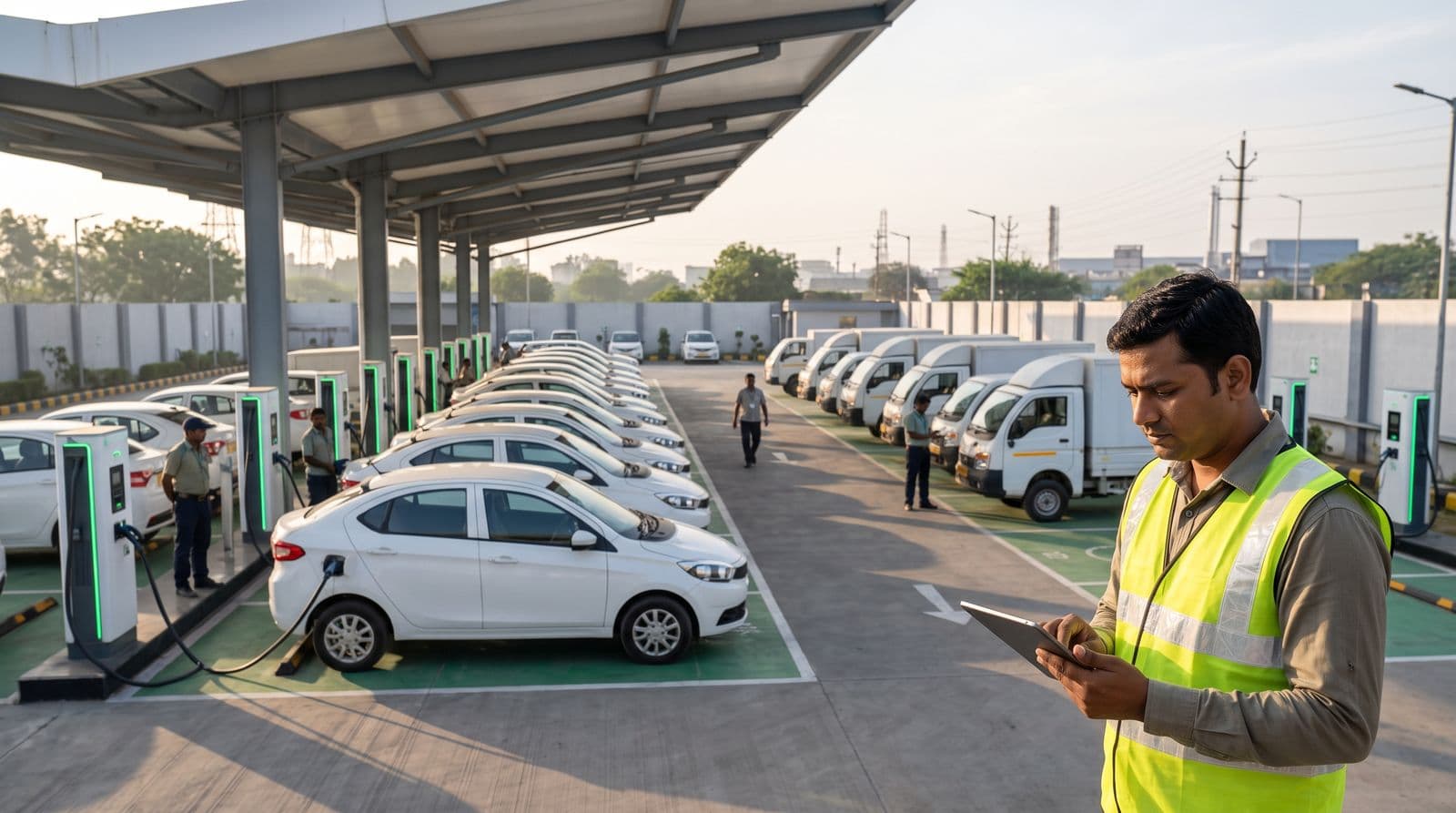
Depot, workplace and society charging with one dashboard and full O&M.
ExploreAmpTravel trip planner
Plan the road trip. We’ll plan the charge.
Enter your route and your car’s real-world range. The planner suggests where to stop, with a safety buffer, so you never arrive anxious.

Why AmpHive
Built to end range anxiety
We combine charging hardware, field service and software so EV ownership feels effortless.
Every way to charge
Home, doorstep, highway, emergency and shared charging in one network and one app.
Safety first
Certified installers, proper protection devices and checklists on every job and every session.
Transparent pricing
Tariffs shown in the app before you start, digital payments and GST invoices for every session.
Real support
A helpline and in-app support team that understands EVs, not a call-centre script.
Tap, scan, charge
Start sessions by QR code, RFID card or the app. No paperwork at the charger.
A tree per charger
For every charger we install, we plant a tree, tracked and reported publicly.
Fleet, workplace, society & hospitality charging
Turnkey chargers, load management, billing and O&M for organisations of every size.
Explore solutions Partner with usFranchise, host a charger or become a channel partner
Have land, parking or an installation team? Grow with India’s EV charging network.
Become a partnerThe AmpHive app
Find. Plug. Pay. Drive.
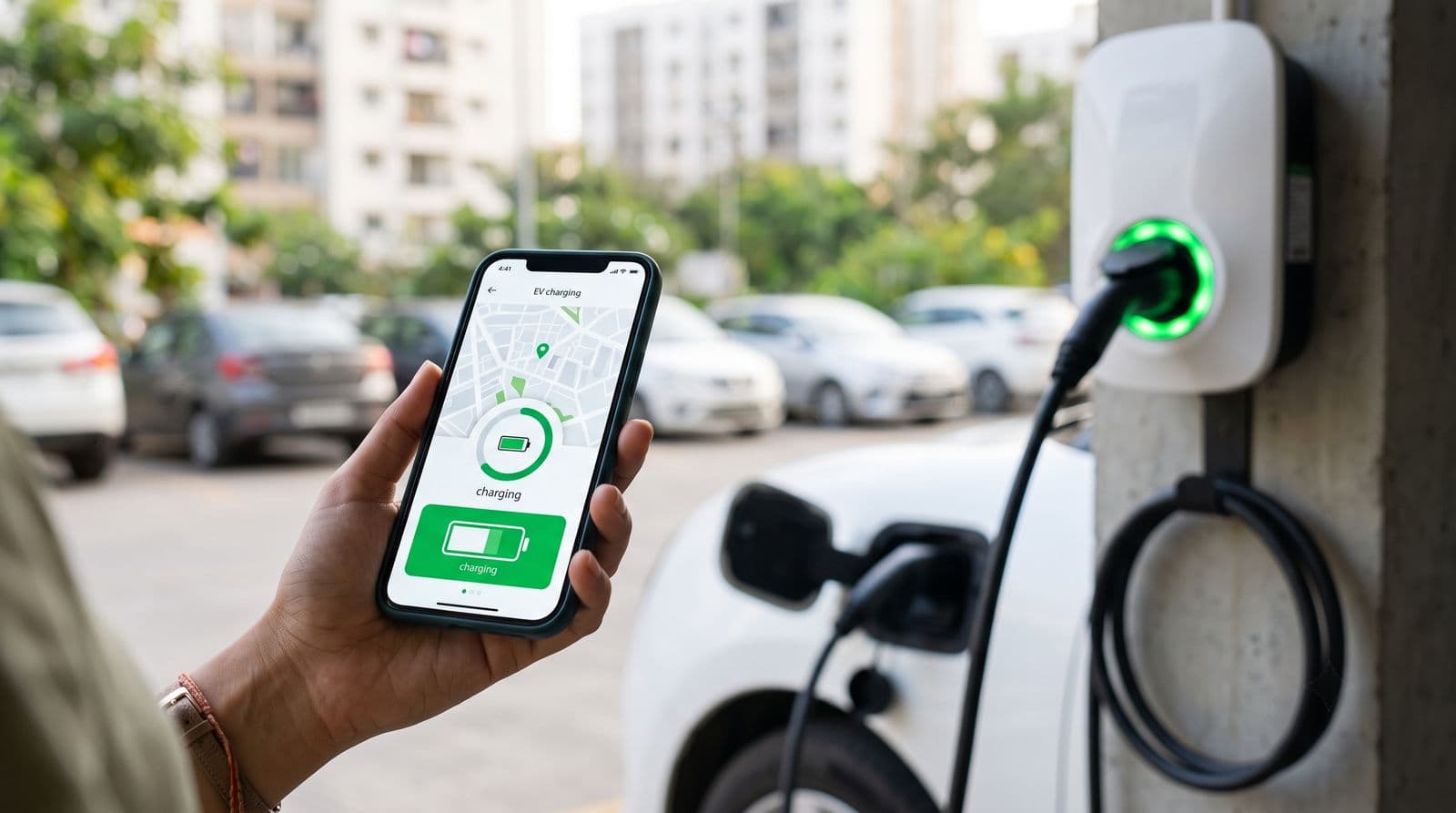
- Live map of chargers with connector, power and availability
- Book AmpGo doorstep charging or request AmpQuick
- Start by QR or RFID, pay by UPI, card or wallet
- GST invoices and charging history in one place
Knowledge hub
Good to know
Guides written for Indian EV owners, from first charger to first road trip.
All articles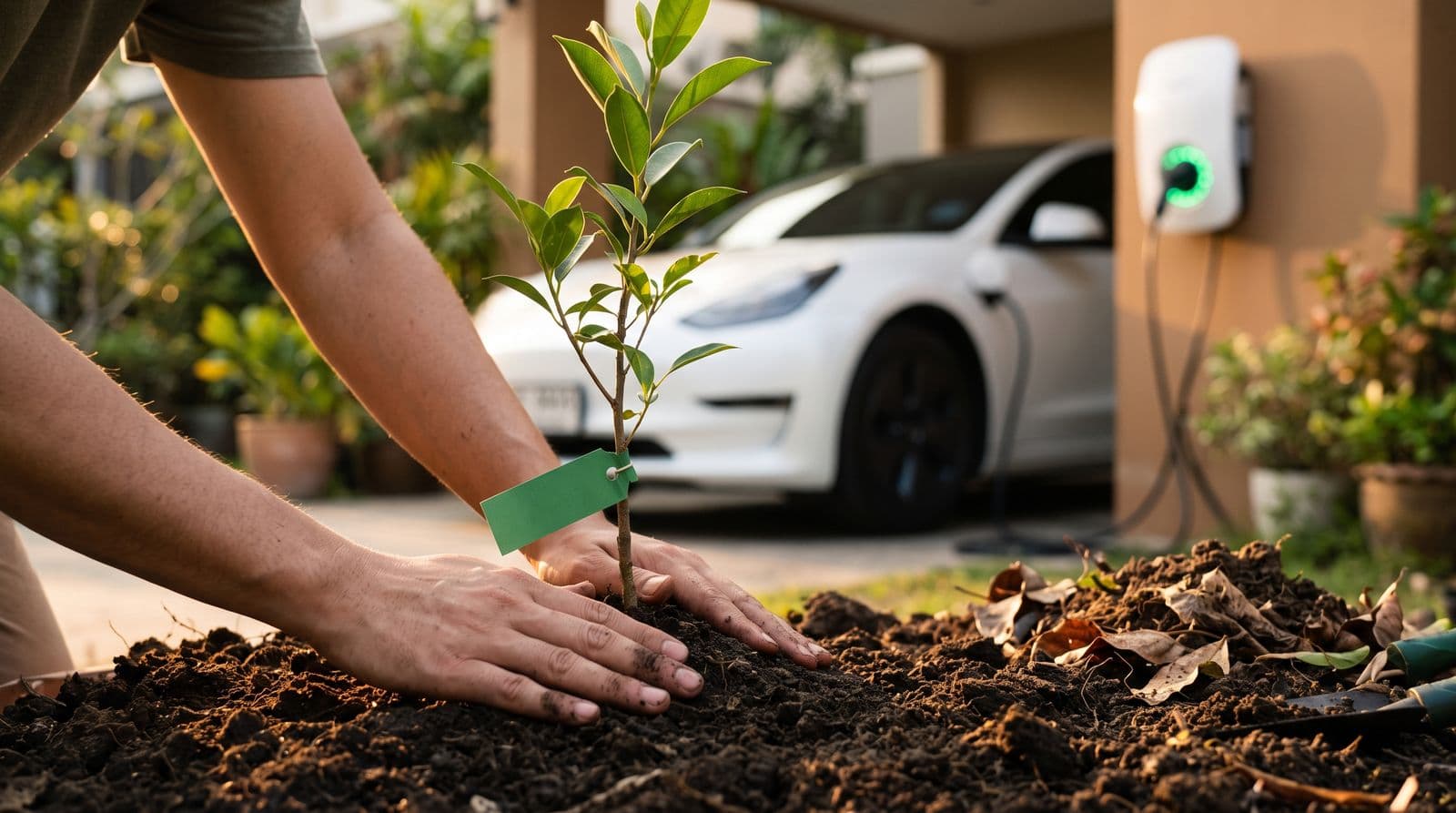
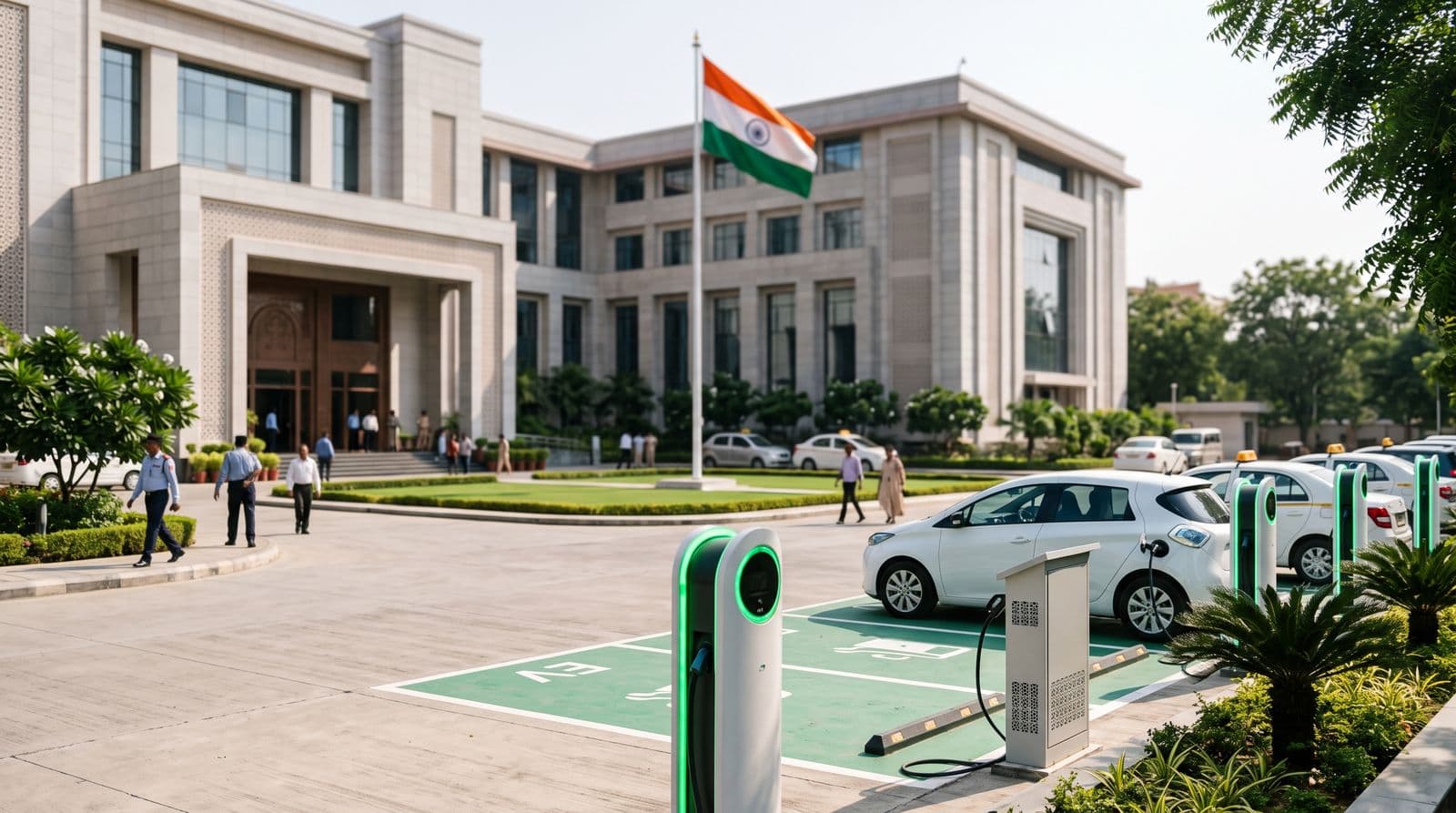
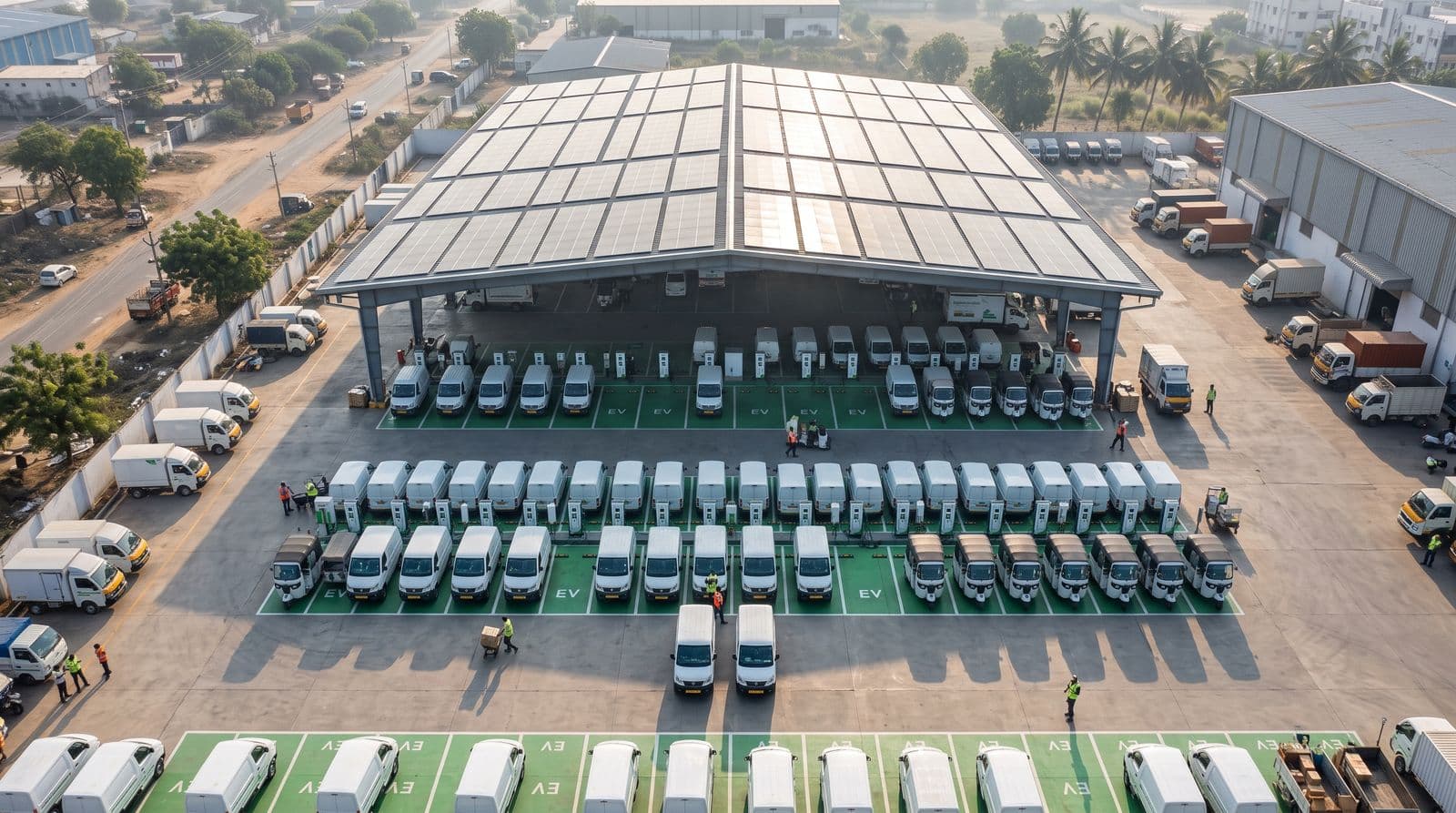
An electric vehicle is powered by an electric motor and a rechargeable battery instead of an internal combustion engine. It produces no tailpipe emissions, has far fewer moving parts and is refuelled by plugging into electricity rather than visiting a fuel pump.
A battery electric vehicle (BEV) runs only on electricity from its battery. A plug-in hybrid (PHEV) has a smaller battery that can be charged from a plug plus a petrol engine, while a conventional or strong hybrid cannot be plugged in and charges its small battery from the engine and braking.
With AC charging, your car's onboard charger converts grid power into DC for the battery, typically at 3.3-11 kW for Indian cars. DC fast chargers do the conversion inside the station and deliver much higher power directly to the battery.
Most electric cars sold in India use a Type 2 inlet for AC charging and CCS2 for DC fast charging. Two- and three-wheelers vary, and many newer models are adopting the LECCS standard.
Many cars come with a portable charger for a 15 A socket, but a dedicated wallbox charges faster and more safely. AmpHome covers charger supply and installation, starting with a site assessment.
Never out of charge.
Book a home charger survey, request doorstep charging or talk to us about your business.